 1 hour ago
Introduction
In a recent statement that has captured the attention of economists, homebuyers, and investors alike, Kevin O'Leary, a prominent financial commentator, entrepreneur, and television personality, declared that interest rates are unlikely to ever fall below 5% again. This bold assertion challenges the long-standing expectations of many in the real estate market who have grown accustomed to historically low borrowing costs over the past decade. His prediction signals a fundamental shift in the economic landscape that could reshape how Americans approach homeownership.
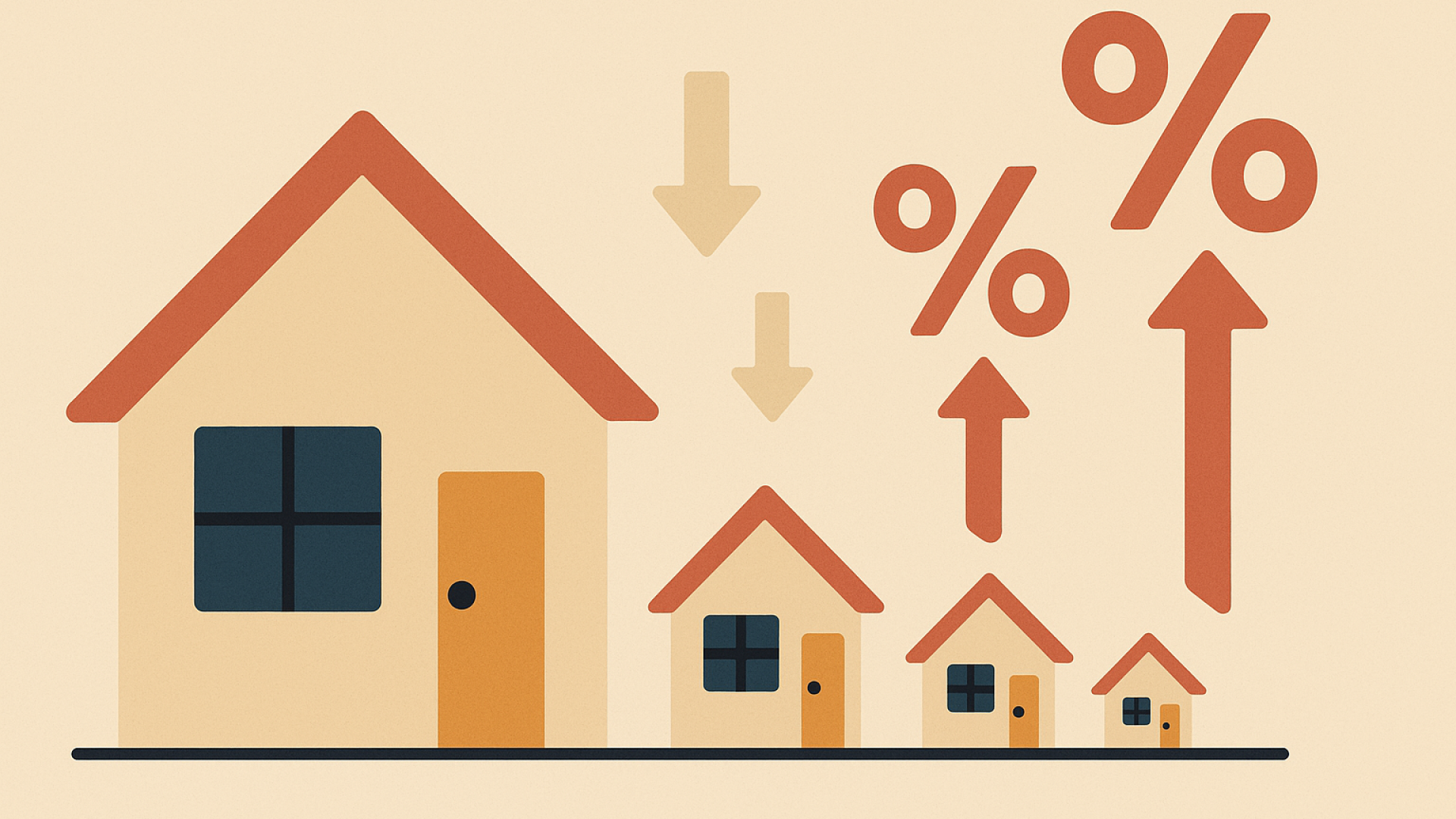
O'Leary's perspective offers a sobering look at the future of mortgage rates and the broader economic environment. While this may sound alarming at first, he emphasizes that the implications are more nuanced than simply higher costs. According to him, the primary consequence will be that prospective homeowners might have to adjust their expectations, potentially buying homes that are about 30% smaller than what they might have afforded in the past. This adjustment reflects the reality that higher interest rates translate into higher monthly mortgage payments, which directly impact affordability.
Context: The Evolution of Interest Rates
To fully grasp the significance of O'Leary's statement, it is important to review the trajectory of interest rates over recent years. Following the 2008 financial crisis, central banks around the world, including the U.S. Federal Reserve, slashed interest rates to near zero to stimulate economic growth and recovery. This ultra-low interest rate environment persisted for over a decade, enabling many individuals to secure mortgages at historically low rates. The result was a surge in home buying and a significant increase in real estate prices across many regions.
However, starting in 2022, in response to rising inflation and other economic pressures, central banks began raising rates in a tightening cycle aimed at cooling down overheated economies. This shift has led to increased borrowing costs for consumers and businesses alike. Despite some market speculation and hopes that rates might soon return to the ultra-low levels seen in the early 2010s, O'Leary's forecast suggests a new normal where rates remain elevated above 5% for the foreseeable future.
This shift is not just a temporary blip but reflects deeper structural changes in the economy, including persistent inflationary pressures, changes in monetary policy frameworks, and evolving global economic dynamics. As such, the era of ultra-low interest rates may be firmly behind us, ushering in a period where higher borrowing costs become the standard.
Core Analysis: What Does a 5%+ Interest Rate Mean for Homebuyers?
Interest rates have a direct and profound effect on mortgage payments, which in turn influence how much house a buyer can afford. When rates are low, monthly payments are smaller, allowing buyers to afford larger or more expensive homes. Conversely, higher rates increase monthly payments, reducing purchasing power and forcing buyers to reconsider their options.
O'Leary's assertion that rates won't dip below 5% again implies a structural shift in the housing market. Buyers will face higher borrowing costs, which could lead to several significant outcomes:
- Smaller Homes: Buyers may need to downsize their expectations, opting for homes approximately 30% smaller to keep monthly payments manageable. This downsizing could mean fewer bedrooms, smaller square footage, or homes located in less expensive neighborhoods.
- Shift in Demand: There could be increased demand for more affordable housing options, including condos, townhouses, or homes in suburban or rural areas where prices tend to be lower. This shift may also spur growth in multi-family housing developments and rental markets.
- Impact on First-Time Buyers: Higher rates may disproportionately affect first-time buyers who typically have less equity and savings, potentially delaying their entry into homeownership. This demographic might need to save longer for down payments or seek alternative financing options.
- Market Cooling: Elevated rates could slow down the rapid price appreciation seen in many markets over the past few years, leading to a more balanced market between buyers and sellers. This cooling effect might reduce bidding wars and price inflation, making the market more accessible in the long term.
Moreover, the psychological impact of higher rates should not be underestimated. Buyers accustomed to low rates may feel discouraged or frustrated, which could dampen overall demand and reshape market dynamics.
Broader Economic Implications
Beyond individual homebuyers, sustained higher interest rates have wider economic consequences. For instance, higher borrowing costs can dampen consumer spending and business investment, potentially slowing economic growth. When loans become more expensive, both consumers and companies may cut back on expenditures, which can ripple through the economy.
On the other hand, higher interest rates are a key tool used by central banks to control inflation. By making borrowing more costly, demand pressures ease, helping to stabilize prices. This balancing act is crucial for maintaining economic stability over the long term.
For the housing market specifically, a prolonged period of higher rates could lead to a stabilization or even a correction in home prices, which have surged in many regions. While this could improve affordability in the long term, it may also impact construction activity and related industries such as home improvement, real estate services, and mortgage lending. Builders might slow down new projects if demand softens, potentially affecting jobs and economic output in these sectors.
Additionally, higher interest rates can influence other asset classes, such as stocks and bonds, as investors adjust their portfolios in response to changing yields and economic conditions. This interconnectedness means that the housing market's evolution will be part of a broader economic narrative.
Potential Solutions and Strategies for Homebuyers
Given this outlook, prospective homebuyers and industry stakeholders can consider several strategies to navigate the evolving landscape effectively:
- Adjust Expectations: Buyers may need to recalibrate their housing goals, focusing on smaller or more affordable properties that align with their budgets under higher interest rates. This might involve prioritizing essential features over luxury amenities.
- Increase Savings: Building larger down payments can help reduce the loan amount and monthly payments. Saving more upfront can also improve loan terms and reduce the overall cost of borrowing.
- Explore Alternative Financing: Investigate different mortgage products, such as adjustable-rate mortgages (ARMs), government-backed loans, or lender-specific programs that might offer more favorable terms or lower initial rates. However, buyers should carefully assess the risks associated with variable rates.
- Consider Location Flexibility: Expanding the search to less expensive areas, including emerging suburbs or smaller cities, could provide better value for money and more housing options within budget constraints.
- Financial Planning: Consulting with financial advisors to understand long-term affordability and budgeting is crucial. Professional guidance can help buyers create realistic plans that account for potential rate increases and other financial challenges.
- Leverage Technology and Market Data: Utilizing online tools, market analytics, and real estate platforms can help buyers identify trends, compare options, and make informed decisions in a rapidly changing market.
For sellers and real estate professionals, adapting marketing strategies and pricing approaches to reflect the new interest rate environment will be essential to maintain market activity.
Conclusion
Kevin O'Leary's prediction that interest rates will not fall below 5% again signals a significant shift in the economic and housing landscape. While this may pose challenges for homebuyers, particularly in terms of affordability and purchasing power, it also encourages a more realistic approach to homeownership and financial planning.
Understanding these dynamics and adapting accordingly will be essential for individuals and families aiming to enter the housing market in the coming years. As the economy adjusts to this new interest rate environment, stakeholders must remain informed and flexible to make the best decisions possible. This includes being open to alternative housing options, financing methods, and geographic locations.
Ultimately, while the era of ultra-low interest rates may be behind us, opportunities remain for those willing to adapt and plan carefully for their financial futures. By embracing a proactive and informed approach, homebuyers can still achieve their goals despite the challenges posed by higher borrowing costs.